Introduction
Artificial Intelligence is no longer just a competitive advantage—it's becoming a business necessity. While many organizations have experimented with AI tools like ChatGPT, Gemini, or Claude, the real business value comes from integrating Generative AI directly into existing applications, workflows, ERP systems, CRMs, websites, and mobile apps.
Instead of replacing your existing software, Generative AI enhances it by automating repetitive work, improving decision-making, generating content, assisting employees, and delivering exceptional customer experiences.
In this comprehensive guide, we'll explore what Generative AI integration is, why businesses are investing in it, implementation strategies, common challenges, and how True Value Infosoft helps organizations successfully adopt enterprise AI solutions. True Value Infosoft specializes in AI consulting, custom AI development, AI automation, chatbot development, and seamless AI integration for businesses across industries.
What Is Generative AI Integration?
Generative AI integration is the process of embedding AI capabilities into your existing digital ecosystem rather than using standalone AI tools.
This means connecting Large Language Models (LLMs), machine learning models, AI APIs, or custom AI systems with:
- Enterprise software
- CRM platforms
- ERP solutions
- Mobile applications
- Web applications
- Customer support systems
- Internal business workflows
- Document management platforms
The objective is simple:
Make existing business systems smarter, faster, and more productive.
Why Businesses Are Investing in AI Integration
Organizations are adopting Generative AI because it directly impacts productivity and profitability.
Some of the biggest business benefits include:
Increased Productivity
Employees spend less time on repetitive tasks like documentation, emails, data entry, reporting, and searching information.
Better Customer Experience
AI-powered assistants provide instant responses, personalized recommendations, and 24/7 support.
Faster Decision Making
AI analyzes massive datasets and provides actionable insights within seconds.
Lower Operational Costs
Automation reduces manual work and improves process efficiency.
Improved Employee Efficiency
Teams can focus on high-value work while AI handles routine operations.
Common Enterprise Use Cases
1. AI Customer Support
Businesses integrate AI chatbots into websites, mobile apps, WhatsApp, and customer portals to:
- Answer FAQs
- Track orders
- Resolve support tickets
- Schedule appointments
- Escalate complex issues
Benefits:
- 24/7 availability
- Faster response times
- Lower support costs
2. Document Intelligence
AI can automatically process:
- Contracts
- Invoices
- Purchase orders
- Insurance claims
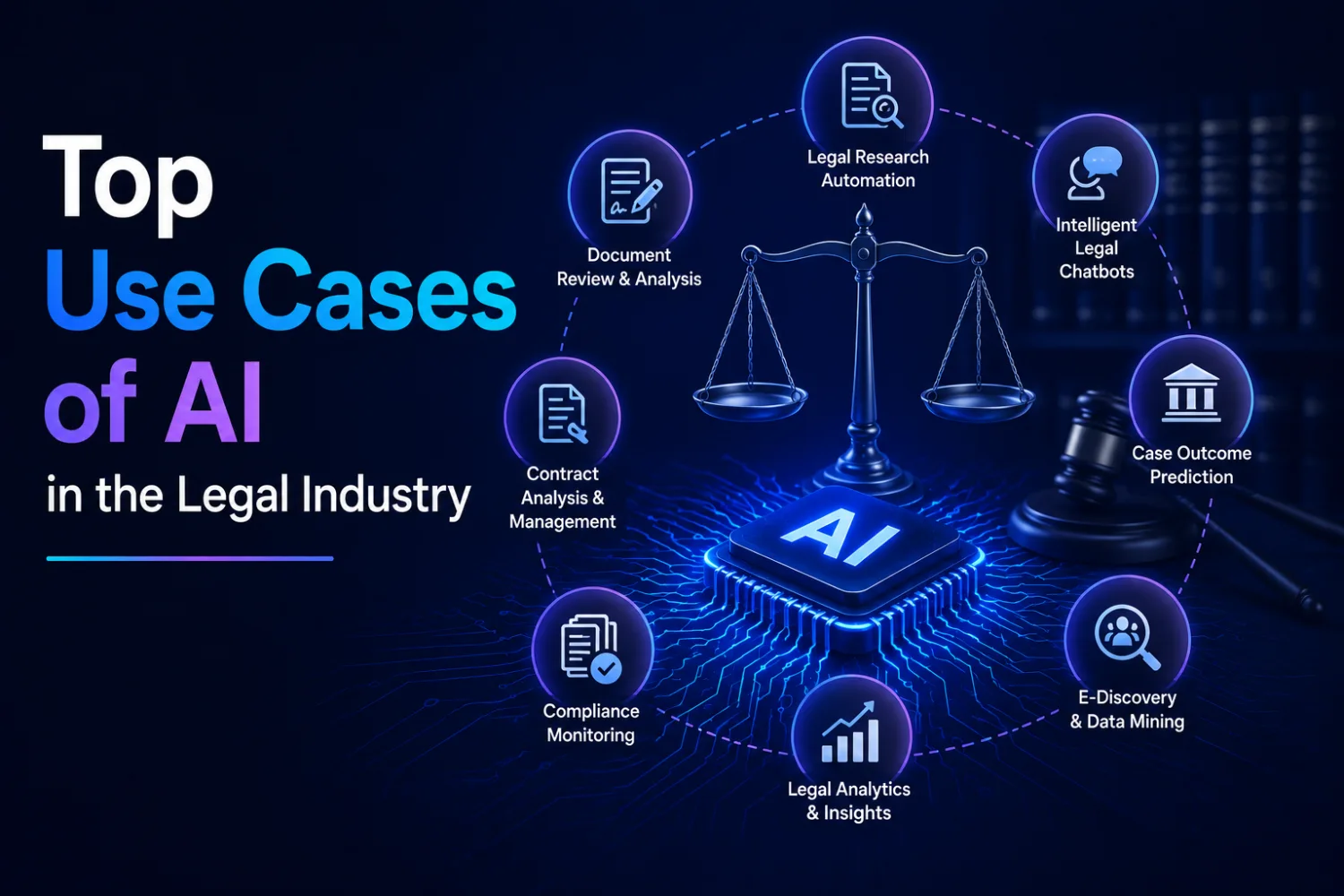
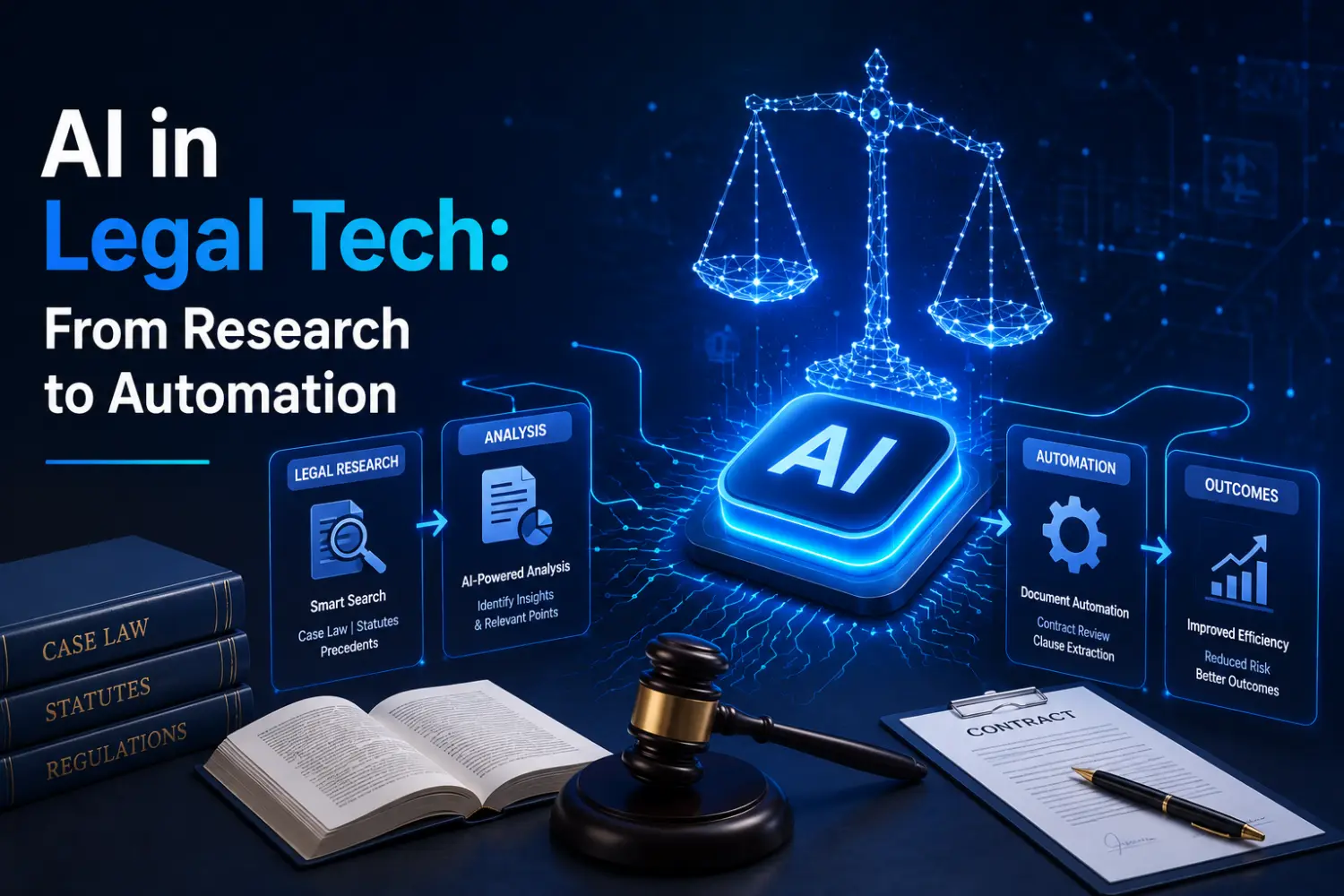
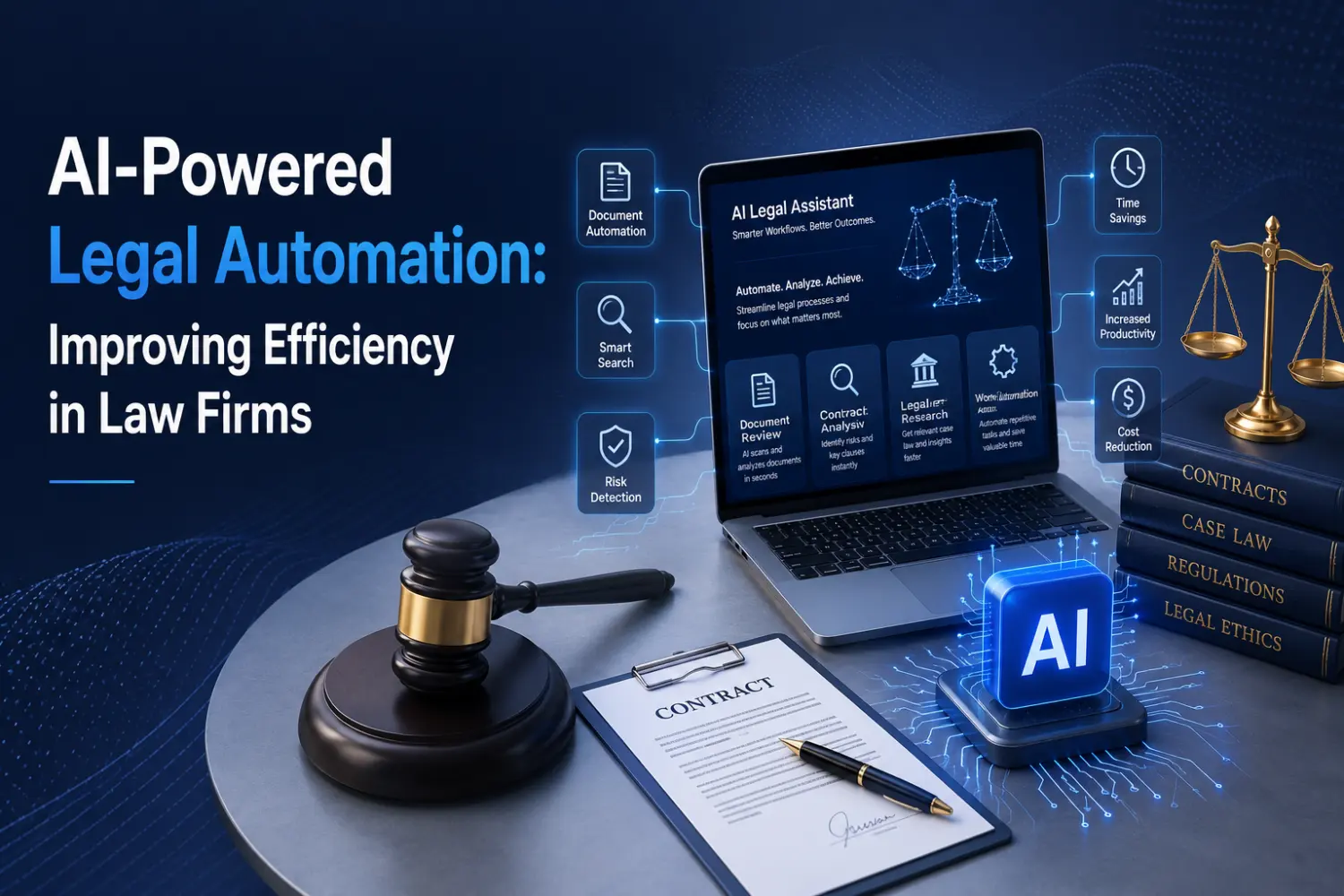
- Legal documents
- Medical records
Instead of manual review, AI extracts information, summarizes documents, and identifies key insights.
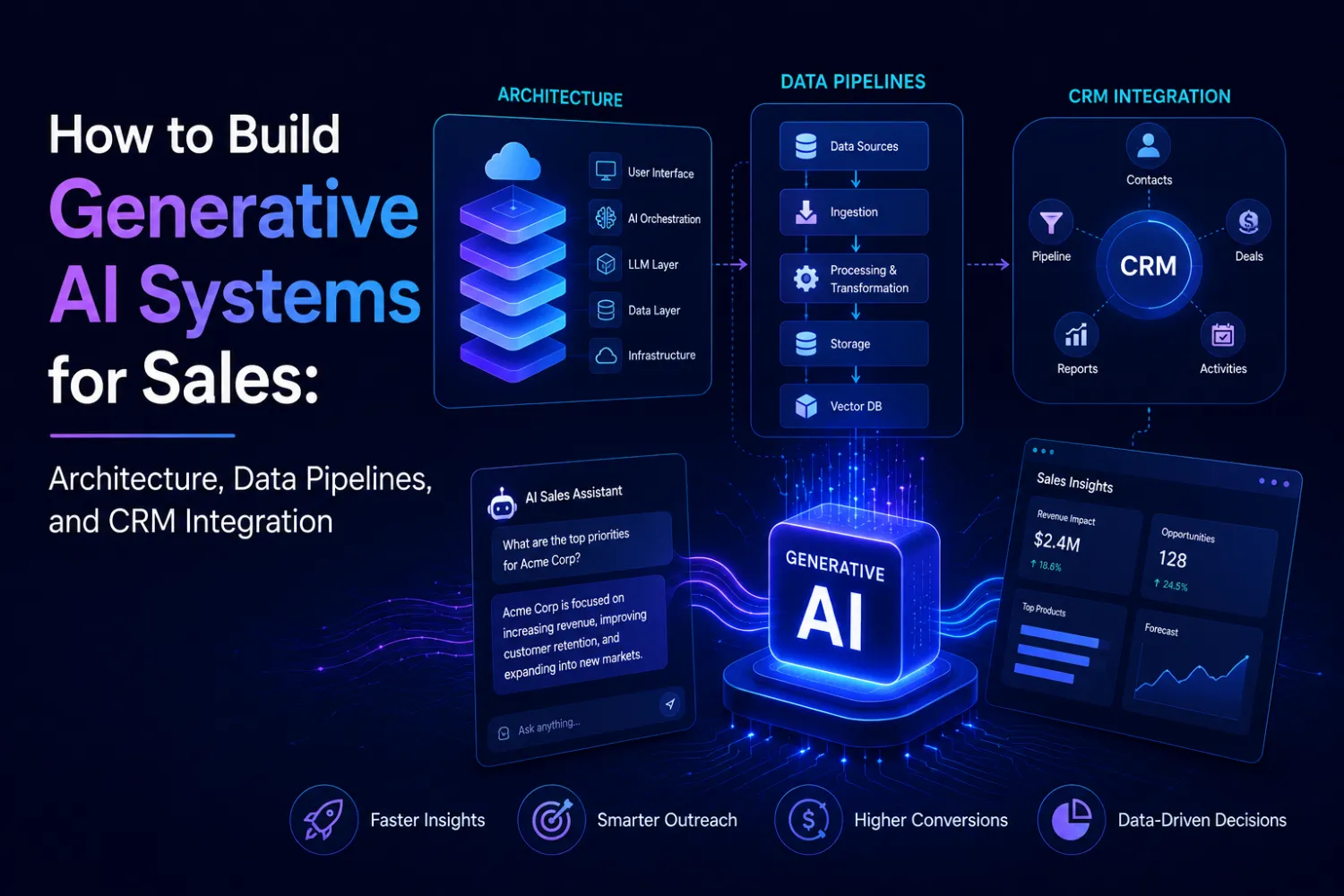
3. Sales Automation
Generative AI helps sales teams by:
Businesses are also adopting AI agents to automate lead qualification, follow-ups, and customer interactions.
- Writing personalized emails
- Qualifying leads
- Generating proposals
- Summarizing meetings
- Creating follow-up messages
This allows sales professionals to spend more time closing deals.
4. Marketing Content Generation
Marketing teams use AI to create:
- Blog articles
- Social media posts
- Product descriptions
- Email campaigns
- Ad copy
- SEO content
Instead of replacing marketers, AI accelerates content production.
5. Internal Knowledge Assistants
Large organizations often struggle with scattered information.
AI assistants can answer employee questions by securely accessing:
- Company policies
- HR documents
- Technical manuals
- SOPs
- Knowledge bases
Employees receive accurate answers instantly.
6. ERP & CRM Intelligence
AI enhances ERP and CRM platforms by:
- Predicting customer behavior
- Automating workflows
- Forecasting sales
- Detecting anomalies
- Generating reports
- Recommending actions
Businesses make faster, data-driven decisions.
Enterprise AI Integration Approaches
Different businesses require different integration strategies.
API-Based Integration
The fastest approach.
AI services connect to existing applications through APIs.
Ideal for:
- Chatbots
- Content generation
- Customer support
- Email automation
Custom AI Models
Organizations with specialized requirements often build custom AI solutions trained on their own business data.
Suitable for:
- Healthcare
- Finance
- Manufacturing
- Legal
- Insurance
Retrieval-Augmented Generation (RAG)
RAG allows AI to retrieve information from internal documents before generating responses.
This is ideal when businesses require:
- Accurate answers
- Company-specific knowledge
- Updated documentation
- Secure enterprise search
AI Workflow Automation
AI is integrated with workflow automation platforms to:
- Trigger approvals
- Process forms
- Route documents
- Generate reports
- Notify teams automatically
Enterprise AI Implementation Process
Successful AI adoption follows a structured approach.
Step 1: Business Assessment
Identify repetitive tasks, bottlenecks, and opportunities where AI can deliver measurable value.
Step 2: Define Business Goals
Examples include:
- Reduce support costs
- Increase sales conversion
- Improve employee productivity
- Automate document processing
Clear objectives help measure ROI.
Step 3: Data Preparation
AI depends on quality data.
Businesses should:
- Clean existing datasets
- Remove duplicates
- Standardize formats
- Secure sensitive information
Step 4: Model Selection
Choose the appropriate AI technology based on your business needs:
- Large Language Models (LLMs)
- Machine Learning
- Computer Vision
- NLP
- Predictive Analytics
Step 5: Integration
Connect AI with existing systems including:
- CRM
- ERP
- Mobile Apps
- Websites
- Internal Portals
- APIs
- Databases
Step 6: Testing
Before deployment:
- Validate accuracy
- Test performance
- Verify security
- Evaluate user experience
Step 7: Continuous Improvement
Enterprise AI requires ongoing:
- Monitoring
- Prompt optimization
- Model updates
- Performance tuning
- Security reviews
Common Challenges in AI Integration
Although AI offers significant opportunities, businesses often encounter implementation challenges.
Poor Data Quality
Incomplete or inconsistent data reduces AI accuracy.
Legacy Systems
Older software may require modernization before AI integration.
Security & Compliance
Organizations must protect sensitive business and customer information.
Change Management
Employees need training and support to adopt AI-enabled workflows.
Unrealistic Expectations
AI delivers the best results when implemented strategically, not as a quick fix.
Best Practices for Successful AI Integration
To maximize the value of AI investments:
- Start with high-impact business problems.
- Launch a pilot project before scaling.
- Ensure data quality and governance.
- Integrate AI into existing workflows instead of replacing them.
- Keep humans involved in critical decisions.
- Monitor performance continuously.
- Choose an experienced AI development partner.
Industries Benefiting from Generative AI
Generative AI is creating measurable value across multiple industries.
Healthcare
- Clinical documentation
- Patient support
- Medical record summarization
Finance
- Fraud detection
- Risk analysis
- Automated reporting
Retail & E-commerce
- Product recommendations
- Customer support
- Inventory forecasting
Manufacturing
- Predictive maintenance
- Quality inspection
- Production planning
Education
- Personalized learning
- Content generation
- Student assistance
Logistics
- Route optimization
- Demand forecasting
- Supply chain analytics
Legal
- Contract review
- Document summarization
- Legal research assistance
Why Choose True Value Infosoft for AI Integration?
Implementing AI successfully requires more than connecting an API. It demands strategic planning, secure architecture, scalable development, and long-term optimization.
At True Value Infosoft we help businesses build practical AI solutions that solve real business challenges. Our services include:
- AI Strategy & Consulting
- Generative AI Development
- AI Chatbot Development
- AI Agent Development
- Custom AI Applications
- AI Workflow Automation
- ERP & CRM AI Integration
- Mobile App AI Integration
- Web Application AI Integration
- AI Maintenance & Support
Our experienced team follows an agile development process to deliver secure, scalable, and future-ready AI solutions tailored to your business goals.
Conclusion
Generative AI integration is transforming how modern businesses operate. Rather than replacing existing software, it enhances systems with intelligent automation, faster decision-making, personalized customer experiences, and improved operational efficiency.
Whether you're planning to integrate AI into your CRM, ERP, mobile application, website, or internal business processes, success depends on selecting the right use cases, maintaining high-quality data, and partnering with experienced AI experts.
If you're ready to accelerate digital transformation with enterprise-grade AI solutions, contact our AI experts to discuss your project requirements.